CN
CN

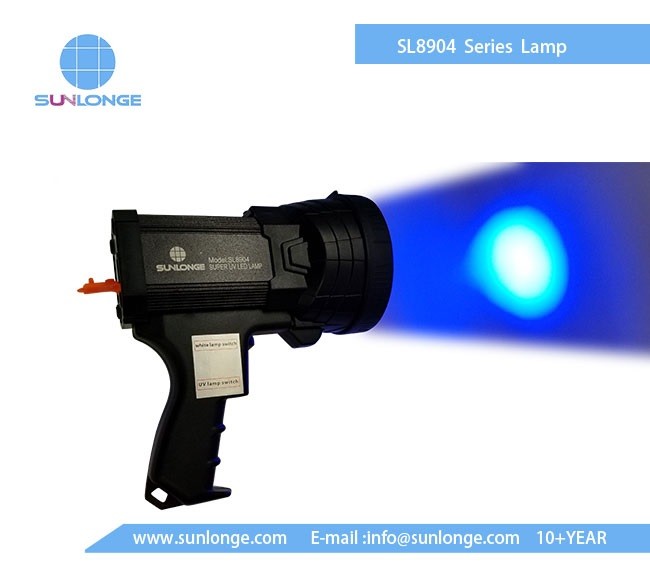
UV NDT lamps are now one of the most powerful tools for revealing fine surface defects in critical welds, especially when combined with fluorescent penetrant or magnetic particle testing. By delivering controlled UV‑A illumination at 365 nm, these lamps make cracks, porosity, and inclusions in welded joints fluoresce with high contrast, enabling inspectors to see defects that would be invisible under white light.
Sunlonge International has engineered its UV NDT Lamps specifically for this task, combining true 365–370 nm UV‑A LEDs, high UV intensity, strict visible‑light limits, aerospace‑grade certifications, and long‑life solid‑state design, giving weld inspectors a clear performance edge over generic UV torches and legacy mercury lamps.
What UV NDT Lamps Do in Weld Inspection
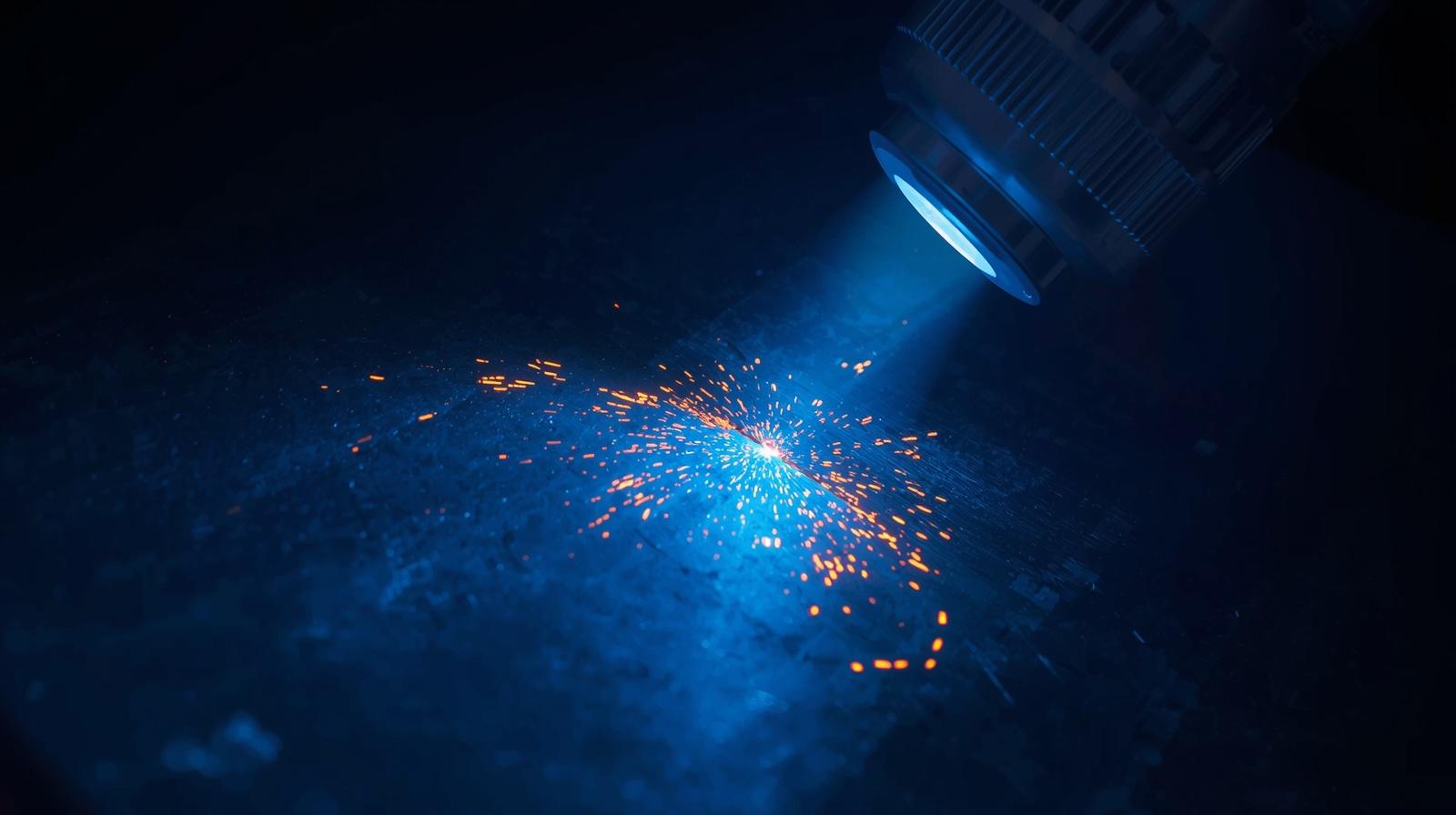
In weld inspection, UV NDT Lamps are used as the excitation light source for fluorescent penetrant testing (FPT/LPI) and fluorescent magnetic particle inspection (MPI). The UV‑A light causes special dyes or particles that have penetrated surface‑breaking discontinuities to fluoresce brightly, making weld defects stand out as sharp, high‑contrast indications against a dark background.
These methods are widely used across industries such as aerospace, automotive, oil & gas, and structural steel because they can reveal extremely tight surface cracks and fine porosity on ferromagnetic and non‑magnetic welds alike. While RT and UT remain essential for volumetric defect detection, UV‑based fluorescent methods are often the most sensitive tools for small surface‑breaking flaws in weld toes, caps, and heat‑affected zones.
How UV Illumination Makes Cracks, Porosity and Inclusions Visible
Fluorescent Penetrant and Magnetic Particle Basics
In fluorescent penetrant testing, welds are cleaned, coated with a low‑viscosity fluorescent penetrant, allowed a dwell time, then wiped and developed so penetrant trapped in surface‑breaking defects “bleeds back” to form visible indications. Under UV‑A illumination in a darkened area, these trapped penetrants emit bright visible light, revealing tiny surface cracks, pores, and other discontinuities that are impossible to see under normal lighting.
Magnetic particle inspection uses a similar principle on ferromagnetic welds: a magnetic field is applied, fluorescent magnetic particles are sprayed on, and they accumulate at field disturbances caused by cracks or other discontinuities. When UV NDT Lamps at 365 nm illuminate the weld, particle accumulations fluoresce clearly, producing sharp indications of weld‑toe cracks, laps, seams and inclusions.
Why Defect Visibility Is Dramatically Higher Under UV
Human eyes are most sensitive to yellow‑green light in dark conditions, so most fluorescent penetrants and particles are formulated to emit brightly in this region when excited by UV‑A around 365 nm. Under proper UV illumination, fluorescing defects can appear tens of times brighter than the surrounding non‑fluorescent metal surface, giving an extremely high signal‑to‑noise ratio.
Studies cited in ASTM E3022 guidance note that standardized, properly calibrated UV‑A illumination can improve flaw detection rates by up to about 27% compared with poorly controlled or non‑standardized illumination, because small indications are far less likely to be missed. For weld inspection programs in pipelines, pressure vessels, and structural steel, this higher detection probability directly supports safety, uptime, and regulatory compliance.
Why 365 nm is the Sweet Spot for UV NDT Lamps
ASTM E3022‑18, the global benchmark standard for UV‑A LED lamps in fluorescent penetrant and magnetic particle testing, requires that lamps emit UV‑A light centered at 365 nm, ±5 nm. This band is chosen because it optimally excites most commercial fluorescent penetrants and magnetic particles while minimizing visible violet “tail” emissions that could wash out indications.
A compliant UV NDT Lamp must also:
- Deliver at least 1,000 µW/cm² at 15 inches (38 cm) at the test surface.
- Keep visible light in the inspection area below 2 foot‑candles (about 21.5 lux).
- Include a UV‑A pass filter to remove emissions above 400 nm, reducing glare and improving contrast between indications and background.
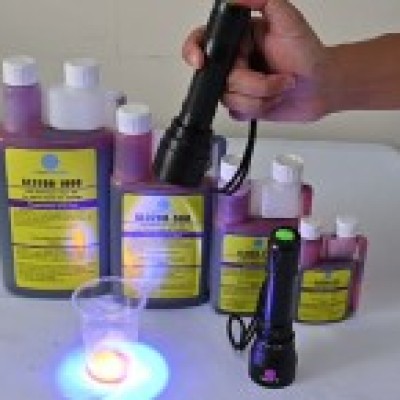
Sunlonge’s SL8904 “Vulture” UV NDT Lamps are specifically designed around 365–370 nm Nichia LEDs and incorporate filtering to meet ASTM E3022 and Rolls‑Royce RRES 90061 in their aerospace versions, ensuring that weld inspectors get the correct wavelength and controlled visible light for maximum defect visibility.
Key Performance Parameters That Control Defect Visibility
UV Intensity (µW/cm²) at the Weld Surface
Higher UV intensity improves the brightness of fluorescent indications, but it must be controlled and uniform to avoid hot spots. ASTM E3022 sets a minimum NDT intensity of 1,000 µW/cm² at 38 cm, while high‑performance UV NDT Lamps often reach tens of thousands of µW/cm² for demanding applications.
The Sunlonge SL8904 series, for example, offers:
- SL8904‑AR (aerospace): about 4,000–5,000 µW/cm² at 15 inches (38 cm).
- SL8904‑Standard: around 13,600 µW/cm² at 38 cm.
- SL8904‑High: up to about 22,000 µW/cm² at 38 cm.
This gives inspection engineers the flexibility to choose a version that matches their weld geometry, ambient conditions, and sector (standard industrial vs. aerospace) while still exceeding minimum standard requirements.
Visible Light Control (Lux / Foot‑candles)
Too much visible light can completely overwhelm faint fluorescent indications, which is why ASTM E3022 caps visible light in the inspection area at 2 foot‑candles (21.5 lux). ASTM E3022 and guidance from manufacturers like Magnaflux highlight that UV‑A pass filters are essential to cut visible tail emissions and glare from LED sources.
Sunlonge’s SL8904 UV NDT Lamps keep visible light within strict limits:
- Aerospace version: <0.5 foot‑candles (about 5 lux) at 15 inches with white light filters.
- Standard and high‑intensity versions: <2 foot‑candles (about 20 lux) with black‑light filters.
By staying comfortably under these thresholds, Sunlonge ensures that fluorescent weld indications remain crisp, even in partially darkened shop or field environments.
Beam Uniformity and Coverage
Uneven beams with bright hot spots and dark rings can create “inspection blind spots” where weld defects fall in under‑illuminated zones. High‑quality UV NDT Lamps therefore aim for an extremely homogeneous beam to give consistent sensitivity across the entire weld area.
Sunlonge’s SL8904 “Vulture” UV NDT Lamps are specifically described as having an “extremely homogeneous” beam profile without LED footprints, dark spots, or other disturbing defects. At 38 cm, they provide irradiated areas up to 186 × 260 mm, allowing inspectors to cover long weld segments quickly while maintaining uniform intensity.
Lifetime, Stability, and Operating Cost
Compared with legacy high‑pressure mercury lamps, UV LED NDT lamps offer:
- Significantly longer operational lifetimes (often around 30,000 hours vs. roughly 1,000–2,000 hours for mercury lamps).
- Lower energy consumption and instant on/off with no warm‑up time, making them more efficient and easier to use in the field.
- More stable output over time, especially when combined with good thermal design and constant‑current drivers.
Sunlonge’s SL8904 series uses four 5 W Nichia 365 nm LEDs rated for about 30,000 hours of life, with stability of UV intensity greater than 90% and solid‑state cooling to maintain consistent performance during long inspections. Sunlonge’s broader LED platform data indicates that these designs can cut total cost of ownership by up to roughly 40% compared with traditional mercury‑lamp‑based systems, thanks to reduced energy use, longer life, and less downtime.
Why Sunlonge UV NDT Lamps Are Better for Weld Inspection
Engineered for NDT – Not Just “UV Flashlights”
Sunlonge International focuses specifically on UV NDT Lamps, fluorescent leak detection lamps, and special UV LED systems, rather than generic UV gadgets. Its SL8904, SL8803T, SL6300 and SL8103/SL8108 families are designed from the ground up to support MPI and FPI in industrial and aerospace environments, including weld inspection on pipelines, pressure vessels, and structural steel.
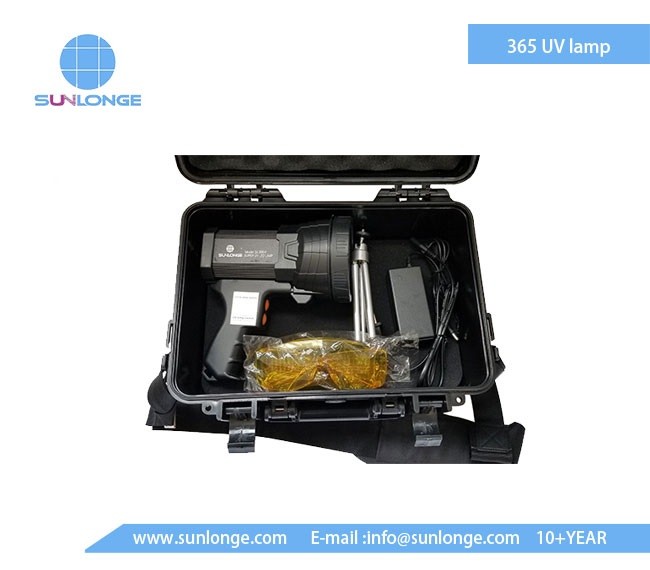
The SL8904 handheld UV NDT Lamp in particular is explicitly targeted at MPI and FPI, with versions certified against ASTM E3022 and Rolls‑Royce RRES 90061, giving inspection managers confidence that the lamp’s performance and documentation meet global NDT expectations.
True 365–370 nm UV‑A with Certified Compliance
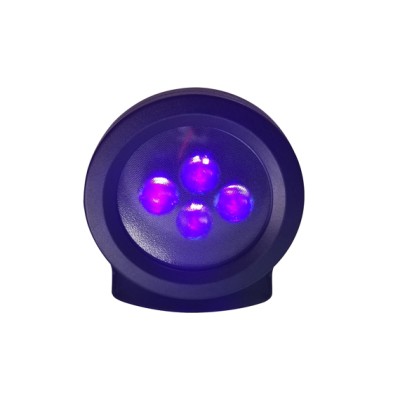
Sunlonge’s SL8904 UV NDT Lamps use four high‑quality Nichia LEDs emitting at 365–370 nm, perfectly aligned with ASTM E3022 wavelength requirements and the excitation peak of most fluorescent NDT materials. The aerospace version (SL8904‑AR) is compliant with ASTM E3022 and Rolls‑Royce RRES 90061, aligning with the same standards referenced by leading global NDT lamp manufacturers and OEMs.
By contrast, many low‑cost UV torches for general use operate closer to 395 nm and lack the necessary filters, which increases visible glare and can seriously reduce defect visibility in fluorescent weld inspection.
High Intensity and High Lux Capacity
Sunlonge’s UV NDT Lamp range covers both portable, hand‑held weld inspection tools and ultra‑high‑intensity systems:
- SL8904 handhelds: up to about 21,000 µW/cm² at 38 cm, with coverage up to 260 mm.
- SL8803T series: handheld UV NDT Lamps with 3 × 5–15 W 365 nm LEDs, delivering strong intensities suitable for welds and other NDT tasks.
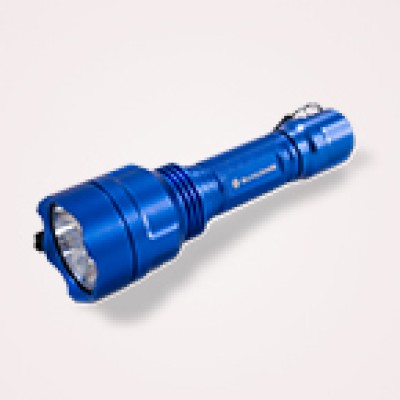
- SL6300 adjustable UV NDT flashlights: 3 × 5 W 365 nm LEDs with intensities ranging from about 4,000 to 21,000 µW/cm² at 15 inches.
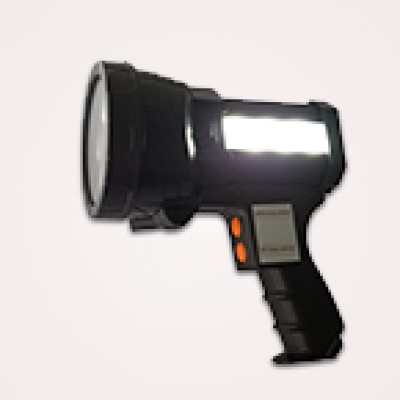
- SL8103/SL8108 high‑intensity lamps: industrial and overhead UV lamps capable of very high UV power densities; certain Sunlonge wafer and inspection lamps are rated around 350,000–400,000 lux at 30–40 cm.
This intensity range allows Sunlonge UV NDT Lamps to be optimized for everything from close‑up weld inspection in tight spaces to large‑area illumination in fabrication bays and pipeline yards.
Beam Quality and Operator Ergonomics
The SL8904 “Vulture” UV NDT Lamp uses precision optics to create a wide, homogeneous beam with minimal shadowing and no obvious LED footprints, which is especially important when scanning long or irregular welds. The compact, ergonomic design (around 680 g without accessories) and dual switches for white and UV light help reduce operator fatigue and streamline inspection workflows.
Because these UV NDT Lamps can run from AC or lithium battery packs, inspectors can perform weld checks in remote pipeline sections, on elevated structures, or inside tanks and vessels without dragging cables and ballasts around, which is a typical pain point with older mercury lamps.
Cost Savings and Sustainability
UV LED NDT Lamps such as Sunlonge’s SL8904 series eliminate hazardous mercury, cut energy consumption significantly, and reduce waste from frequent lamp replacements. Industry data shows UV LED lamps consume much less power than mercury lamps and deliver a much longer service life, driving substantial total cost of ownership savings over a 5‑year period.
Sunlonge’s own engineering and marketing materials highlight that switching to its high‑efficiency UV LED excitation light sources can reduce total costs by up to about 40% compared with traditional high‑intensity systems, while also simplifying maintenance and compliance. For B2B buyers in pipeline maintenance, HVAC, industrial manufacturing, and oil & gas, this combination of inspection performance and cost optimization is a key differentiator.
Key Metrics: UV NDT Lamps vs. Sunlonge SL8904 (Weld Inspection)
You can use the table below in your SEO content to present clear, scannable proof points.
| Parameter | Generic UV Torch / Non‑certified Lamp | Sunlonge SL8904 UV NDT Lamps (Example for Weld Inspection) |
| Intended use | General UV tasks (currency, scorpions, hobby) – not designed for NDT. | Purpose‑built for NDT (FPI/MPI) on welds and critical components. |
| Wavelength | Often 390–405 nm; significant visible violet output. | 365–370 nm UV‑A Nichia LEDs optimized for fluorescent NDT materials. |
| Intensity at 38 cm | Often unspecified or only a few thousand µW/cm². | SL8904‑AR: about 4,000–5,000 µW/cm²; Standard: ~13,600 µW/cm²; High: ~22,000 µW/cm². |
| Visible light | No filter; glare can mask small indications. | <0.5 FC (≈5 lux) for aerospace version; <2 FC (≈20 lux) for standard/high versions. |
| Standards compliance | Typically none; no documentation for ASTM E3022 or aerospace requirements. | Aerospace model compliant with ASTM E3022 and Rolls‑Royce RRES 90061; supports FPI/MPI weld inspection in regulated industries. |
| Beam profile | Uneven, with hot spots and dark rings; limited coverage. | Extremely homogeneous beam; coverage up to 186 × 260 mm at 38 cm, ideal for scanning weld seams. |
| Lifetime | Often not specified; typical LEDs or bulbs may fail early; mercury lamps about 1,000–2,000 hours. | 4 × 5 W Nichia 365 nm LEDs with around 30,000‑hour lifespan. |
| Cooling and stability | Limited thermal management; output may drop as unit heats. | Solid‑state cooling and stability >90% UV intensity over operating period. |
| Power and mobility | Often battery only, limited runtime; or heavy mercury systems requiring ballasts. | AC or lithium battery operation; lightweight handheld design suited to field weld inspections. |
| Total cost of ownership | Low upfront but higher risk of missed defects and frequent replacements; mercury lamps high energy and maintenance costs. | Optimized energy use, long lifetime and low maintenance; Sunlonge reports up to ~40% cost saving vs. legacy high‑intensity systems. |
Where UV NDT Lamps from Sunlonge Fit in Weld Inspection Workflows
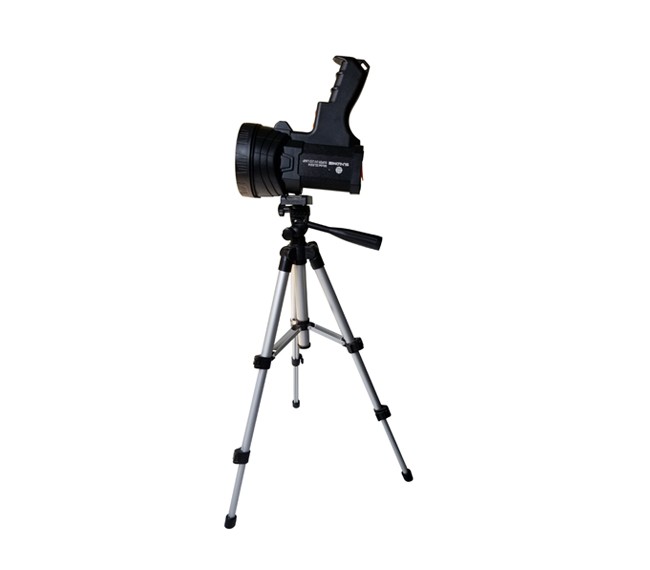
Sunlonge UV NDT Lamps are deployed wherever fluorescent MPI or FPI is used on welds across the value chain:
- Pipeline construction and maintenance – inspecting girth welds and repair welds on high‑pressure oil and gas pipelines, where surface cracks or porosity could lead to leaks.
- Pressure vessels and process equipment – checking nozzle welds, shell‑to‑head welds, and attachment welds in refineries, chemical plants, and power generation facilities.
- Structural steel and heavy fabrication – detecting weld‑toe cracks and inclusion lines on bridge components, cranes, offshore jackets, and industrial frameworks.
- HVAC and mechanical systems – combining weld inspection with fluorescent leak detection on chillers, heat exchangers, and refrigeration systems using the same UV NDT platform.
Because the same 365 nm UV NDT Lamps can be used for both weld inspection and fluorescent leak detection products (another Sunlonge specialty), operators can maximize equipment utilization across multiple inspection tasks.
Practical Tips to Maximize Weld Defect Visibility with UV NDT Lamps

- Verify lamp certification – whenever possible, choose UV NDT Lamps that are documented as ASTM E3022‑compliant and, for aerospace work, compliant with OEM standards like RRES 90061.
- Measure UV intensity at weld distance – confirm that your UV NDT Lamps deliver at least 1,000 µW/cm² at 38 cm, and consider higher intensities (10,000–20,000 µW/cm²) for large welds or field conditions.
- Control ambient light – while Sunlonge’s low visible‑light design gives some margin, inspections should still be performed in adequately darkened environments to avoid washing out indications.
- Maintain and document lamp performance – follow ASTM E3022 procedures for periodic intensity and visible‑light checks, and keep calibration records alongside weld inspection reports.
- Train inspectors on fluorescent indications – ensure personnel can distinguish relevant linear and rounded indications (cracks, porosity, inclusions) from irrelevant conditions such as surface roughness or background fluorescence.
When all of these elements are in place, high‑performance UV NDT Lamps like Sunlonge’s SL8904 series elevate weld inspection from simple visual checking to a quantifiable, standards‑driven quality control process.
FAQ: UV NDT Lamps and Weld Inspection
Q1: Why are UV NDT Lamps essential for detecting fine weld cracks?
UV NDT Lamps at 365 nm excite fluorescent penetrants and magnetic particles that have penetrated surface‑breaking defects, causing them to emit bright visible light against a dark background. This high contrast makes tight weld‑toe cracks, crater cracks and micro‑cracking in heat‑affected zones visible even when they are invisible under white light.
Q2: What makes Sunlonge UV NDT Lamps different from ordinary UV flashlights?
Sunlonge UV NDT Lamps are engineered specifically for NDT, with 365–370 nm LEDs, up to about 22,000 µW/cm² intensity at 38 cm, controlled visible light (<0.5–2 FC), and versions certified to ASTM E3022 and Rolls‑Royce RRES 90061. Generic UV flashlights often operate at 395 nm, lack UV‑A filters, and do not meet NDT standards, which can significantly reduce defect visibility and traceability.
Q3: How do UV NDT Lamps help detect porosity and inclusions in welds?
Fluorescent penetrants and magnetic particles collect in pores, gas holes, and surface‑breaking inclusion lines, producing rounded or elongated fluorescent indications under UV illumination. With adequate UV intensity and low background light, UV NDT Lamps make these indications stand out clearly so inspectors can assess size, distribution, and potential impact on service performance.
Q4: Are Sunlonge UV NDT Lamps suitable for aerospace weld inspection?
Yes. The SL8904‑AR aerospace version of Sunlonge’s UV NDT Lamp is documented as compliant with ASTM E3022 and Rolls‑Royce RRES 90061, standards widely recognized in aerospace NDT. Its low visible light (<0.5 FC) and homogeneous beam make it well suited for weld inspection on aerospace structures and engine components, where regulatory requirements are strict.
Q5: What kind of cost savings can UV NDT Lamps from Sunlonge deliver?
By using efficient 365 nm LEDs with lifetimes around 30,000 hours, Sunlonge UV NDT Lamps significantly reduce lamp replacement frequency and power consumption compared with mercury vapor lamps, which often last only 1,000–2,000 hours. Internal analyses and industry data indicate that this can translate into total cost of ownership reductions of up to roughly 40% over several years, particularly in high‑utilization inspection environments.
Q6: Can the same UV NDT Lamps be used for weld inspection and leak detection?
Yes. The 365 nm UV‑A output from Sunlonge UV NDT Lamps is ideal both for fluorescent weld inspection and for fluorescent leak detection in HVAC, refrigeration, and industrial fluid systems, where UV dyes are also used. This allows operators in pipeline maintenance, HVAC, and oil & gas to use one UV NDT platform across multiple inspection tasks, maximizing ROI.
Q7: What should I look for when choosing UV NDT Lamps for my weld inspection program?
You should prioritize:
- True 365 nm UV‑A emission and UV‑A filtering to reduce visible tail emissions.
- UV intensity above 1,000 µW/cm² at 38 cm, with documented values at standard distances.
- Compliance with ASTM E3022 and, where relevant, OEM standards such as RRES 90061.
- Homogeneous beam profile with adequate coverage for weld seams.
- Long LED lifetime (~30,000 hours) and stable output.
Sunlonge’s UV NDT Lamps are designed to meet or exceed these criteria, making them a strong choice when you want to improve weld defect visibility, meet global standards, and reduce total inspection cost at the same time.