CN
CN

Executive summary
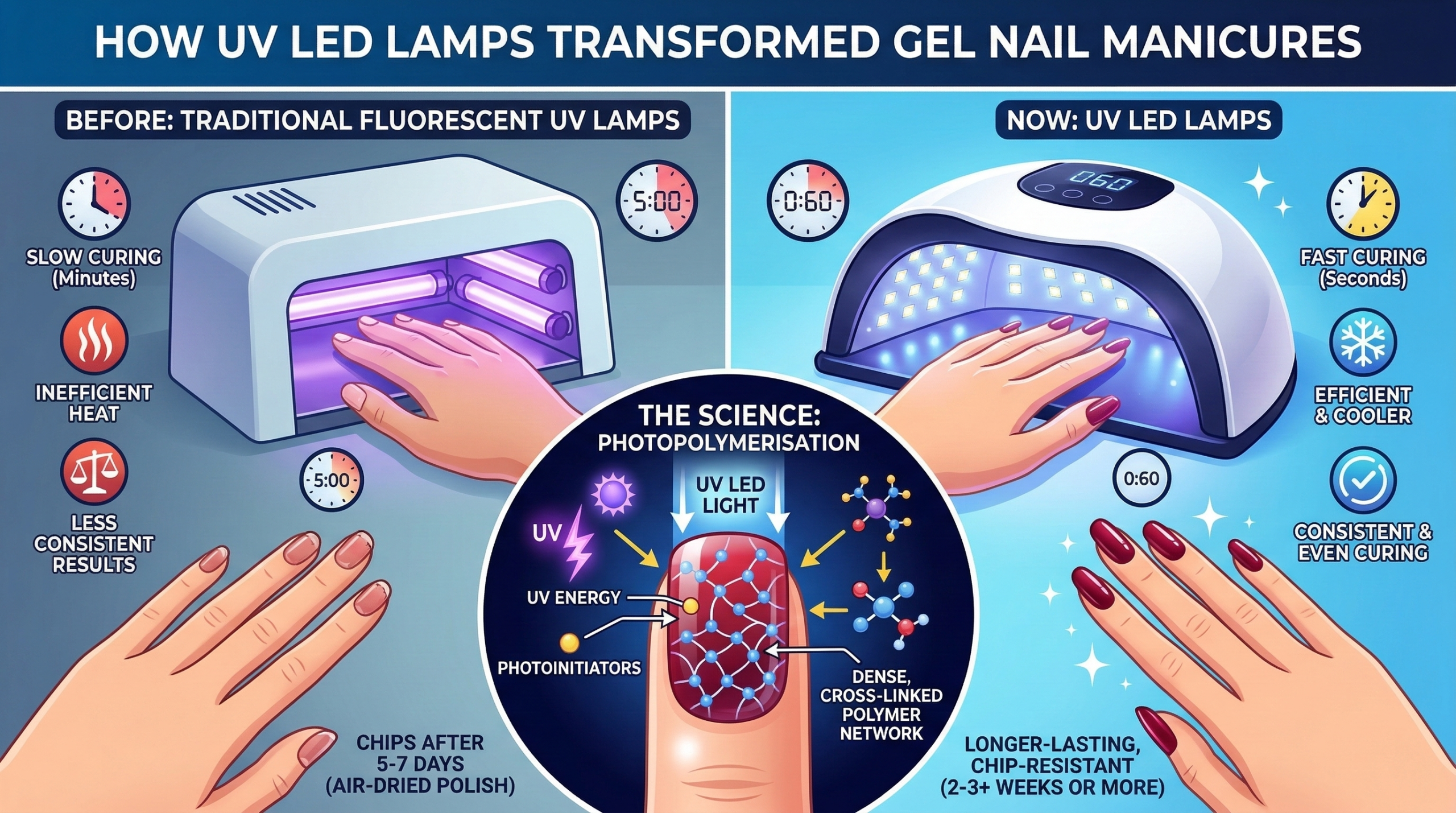
UV LED lamps have transformed gel nail manicures by curing coatings faster, more efficiently, and more consistently than traditional fluorescent UV lamps, which translates into longer-lasting, chip‑resistant results for salon and home users. Properly cured gel manicures routinely last two to three weeks or more, far exceeding the five to seven days typical of regular air‑dried polish. The underlying reason is photopolymerisation, a light‑driven chemical reaction in which UV energy from a UV LED lamp activates photoinitiators in gel formulations to form a dense, cross‑linked polymer network on the nail.
Compared with traditional tube‑based UV lamps, UV LED lamps provide narrower, targeted wavelengths, faster curing times (often 30–60 seconds instead of 2–3 minutes per coat), longer service life (tens of thousands of hours versus roughly 1,000 hours), and lower heat and power consumption. For salons, that means shorter appointment times, higher client throughput, and lower maintenance costs; for consumers, it means smoother, glossier, longer‑wearing manicures with less waiting and more safety‑conscious exposure profiles.
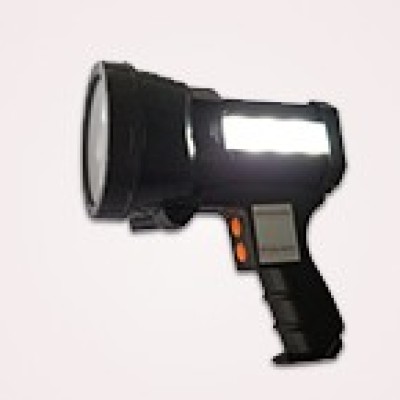
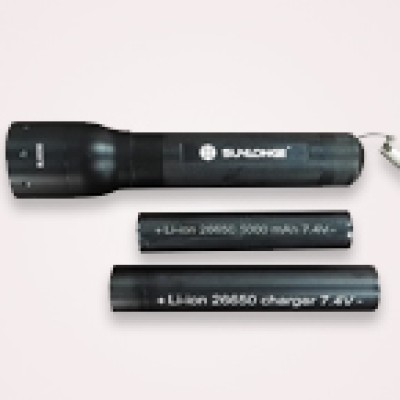
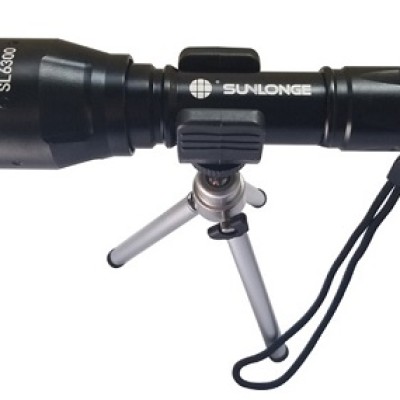
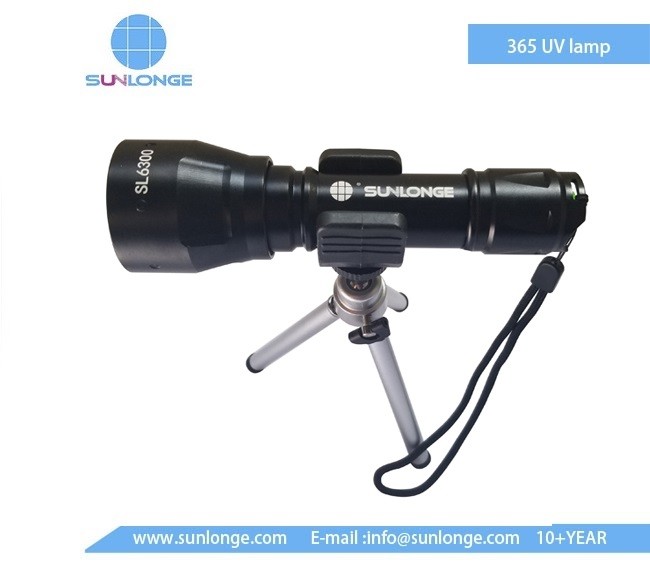
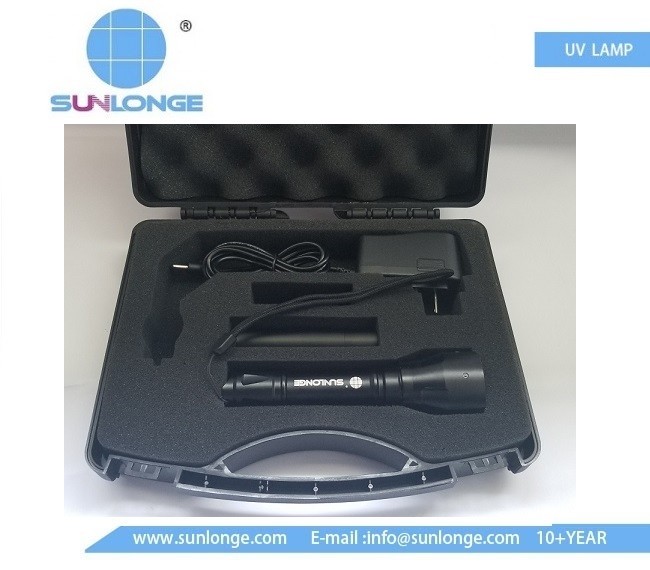
Sunlonge specialises in high‑performance UV LED LAMP solutions originally engineered for demanding industrial and aerospace non‑destructive testing (NDT) applications. Its SL6300‑series UV LED flashlight, for example, delivers controlled UVA output at 365–370 nm, high intensity (up to 35,000 µW/cm² at 15 inches), a typical LED life of 30,000 hours, and stringent compliance with Rolls‑Royce RRES 90061 and multiple ASTM standards. These engineering capabilities—precise wavelength control, constant‑current driving for stable intensity, optical lenses and filters, and rugged, certified designs—translate directly into more consistent curing performance, durability, and safety margins when Sunlonge technology is applied to nail‑curing UV LED LAMP products.
How gel nail polish cures: photopolymerisation basics
From liquid gel to solid coating
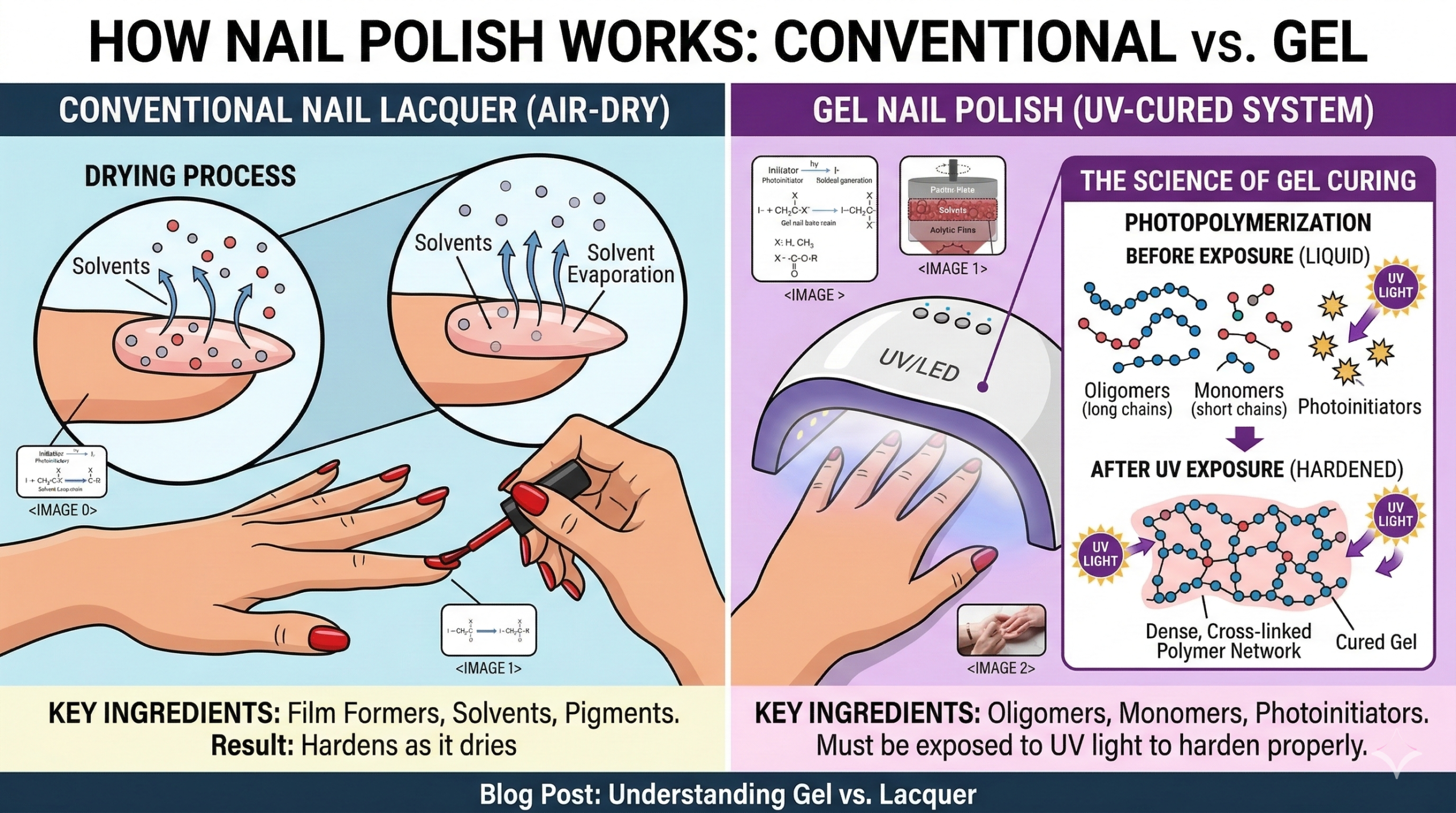
Unlike conventional nail lacquer, which dries as solvents evaporate into the air, gel nail polish is a light‑curable system made of oligomers, monomers, and photoinitiators that must be exposed to UV light to harden properly. When gel is placed under a UV LED LAMP, photoinitiator molecules absorb photons in a specific UV wavelength range (usually within 365–405 nm), generating reactive species (free radicals or cations) that initiate polymer chain growth.
This process—photopolymerisation—links thousands of small molecules into a tightly cross‑linked polymer network that forms a hard, glossy, and chemically resistant coating on the nail surface. Because the reaction depends on receiving enough light energy at suitable wavelengths across the full thickness of the gel, the performance of the curing lamp is just as important as the formulation of the gel itself.
Why wavelength, intensity, and time matter
For optimal curing, three lamp parameters must align with the gel system: wavelength, intensity, and exposure time.
- Wavelength: Most gel systems are designed to respond to UVA light between roughly 365 and 405 nm; the photoinitiators are tuned to this window. If the lamp emits outside the required range, parts of the coating may remain under‑cured, leading to soft spots, lifting, or allergic reactions to unreacted monomers.
- Intensity (irradiance): If UV intensity is too low, the deep layers of gel receive insufficient energy and the polymer network forms incompletely. If it is too high, rapid surface curing can trap uncured material underneath and cause heat spikes or brittleness.
- Exposure time: Manufacturers typically specify curing times per layer; with UV LED lamps, many gels cure in about 30–60 seconds, while traditional UV lamps may need 2–3 minutes or more. Sunlonge’s SL6300 UV LED LAMP platform illustrates precise control of these parameters: it uses a 365 nm, 5 W UV LED with optical lens and filter, delivering up to 35,000 µW/cm² at 380 mm, with intensity stability above 85% over operating time. Such stability and wavelength accuracy are crucial when adapting the same UV LED engineering concepts to professional nail‑curing lamps.
Why UV LED lamps are essential for long‑lasting gel manicures
Longer wear than regular polish
Multiple professional nail sources state that a properly applied and correctly cured gel manicure should last 2–3 weeks without major chipping, and in some cases 3–4 weeks or even longer when premium products and excellent prep are used. By contrast, standard air‑dried nail polish typically chips within 5–7 days. The key difference is that UV LED‑cured gel forms a tougher, more cross‑linked structure that better resists mechanical stress, water exposure, and chemicals in daily life.
A high‑quality UV LED LAMP ensures this network forms evenly through the full thickness of each gel layer, from base coat to top coat. Incomplete or inconsistent curing leaves soft zones that can flex, peel, or crack prematurely, dramatically shortening manicure life even if the gel formula itself is premium.
Faster curing and higher throughput
LED nail lamps commonly cure compatible gel products in 30–60 seconds per coat, while traditional UV tube lamps generally require 2–3 minutes for the same layer thickness. For a typical three‑coat gel manicure (base, colour, top), this can reduce total time under the lamp from roughly 6–9 minutes to about 1.5–3 minutes.
Salon‑level analyses suggest that switching from UV to LED curing can save 20–30 minutes per day in a salon performing around 10 gel sets daily—enough time to fit in at least one additional client or provide more flexible scheduling. For high‑volume operations, these time savings compound into higher revenue potential and shorter waiting times for clients.
Consistency, gloss, and chip resistance
Correctly matched UV LED lamps and gel systems produce a fully cured surface that maintains gloss and colour saturation for weeks. The tighter, more uniform polymer network resists micro‑scratches and surface dulling that commonly affect conventional polish after just a few days.
Because UV LEDs emit a narrow spectrum of UVA tuned to the gel’s photoinitiators, they minimise wasted energy and reduce the risk of uneven cure caused by broad‑spectrum peaks outside the optimal range. This spectral precision is one of the reasons modern salons have largely migrated toward LED or hybrid UV/LED lamps for gel systems.
UV LED lamps vs traditional UV lamps
Technology differences
Traditional salon UV lamps rely on fluorescent tubes that emit broad‑spectrum ultraviolet light, including wavelengths that are not needed or optimal for many modern gel formulations. In contrast, UV LED LAMP designs use arrays of light‑emitting diodes engineered to emit a narrow band of UVA, typically around 365–405 nm, closely aligned with gel photoinitiators.
This difference in light source technology drives practical differences in curing speed, bulb life, energy use, and maintenance. Fluorescent UV bulbs typically last around 1,000–4,000 hours and begin to lose output within one to three months of regular use, requiring frequent replacement to maintain curing performance. UV LEDs, by contrast, are often specified with nominal lifetimes of 30,000–50,000 hours and degrade much more slowly, providing more stable UV output over years of service.
Practical comparison table
| Aspect | UV LED Lamps | Traditional UV Lamps |
| Light source | Narrow‑spectrum UVA LEDs matched to gel photoinitiators | Broad‑spectrum UV fluorescent tubes |
| Typical curing time per coat | 30–60 seconds for most LED‑curable gels | 2–3 minutes per coat |
| Bulb/lamp lifetime | Commonly specified at 30,000–50,000 hours; practical lamp life several years | Around 1,000–4,000 hours; bulbs may visibly degrade after 1–3 months of salon use |
| Energy efficiency | Higher efficiency; lower power draw and less heat generation | Lower efficiency; more wasted energy as heat |
| Heat and comfort | Minimal heat, more comfortable curing experience for clients | More heat; can be uncomfortable for sensitive clients |
| Maintenance | No bulb replacement; consistent output when quality drivers and optics are used | Regular bulb changes and output monitoring required |
| Compatibility | Designed for LED‑curable or hybrid gels; must be matched to product specifications | Compatible with most legacy UV‑curable gels |
These advantages explain why LED curing lamps have become the preferred choice in modern nail salons and among at‑home gel users, especially when paired with quality gels formulated for LED curing.
Safety and exposure considerations
Understanding UV exposure from nail lamps
Both UV and LED nail lamps emit UVA radiation, which can contribute to skin ageing and, at high cumulative doses, may be associated with skin cancer risk. Recent scoping reviews of UV/LED nail lamp radiation show that, at typical consumer use distances and times, exposure doses are generally below thresholds for acute skin or eye damage, although some devices can deliver higher doses under certain conditions.
One modelling study estimated that a 10‑minute exposure to a UV nail lamp could approach the recommended daily daylight exposure limit for outdoor workers in terms of UVA dose, but that tens or hundreds of thousands of weekly users would need to be followed for years to detect even a single additional case of squamous cell carcinoma attributable to lamps. Regulatory agencies such as the U.S. FDA still classify UV nail dryers as low‑risk devices when used according to instructions, given the short and infrequent exposure durations per manicure.
Why UV LED lamps can be a safer choice
UV LED lamps tend to emit a narrower UVA spectrum and cure gels faster compared with fluorescent UV lamps, so clients can achieve a complete cure with less total exposure time. Several dermatology‑aligned recommendations therefore suggest choosing efficient LED lamps, applying broad‑spectrum sunscreen to hands before curing, and avoiding unnecessarily long or repeated cycles.
From an engineering standpoint, high‑quality UV LED LAMP designs from manufacturers such as Sunlonge can further manage exposure through consistent irradiance, optical lenses that focus light on the nail plate rather than surrounding skin, and reliable drivers that avoid spikes or unstable output. This precision control supports predictable curing performance at the lowest effective dose.
Key performance factors in professional UV LED nail lamps
Wavelength matching and optical design
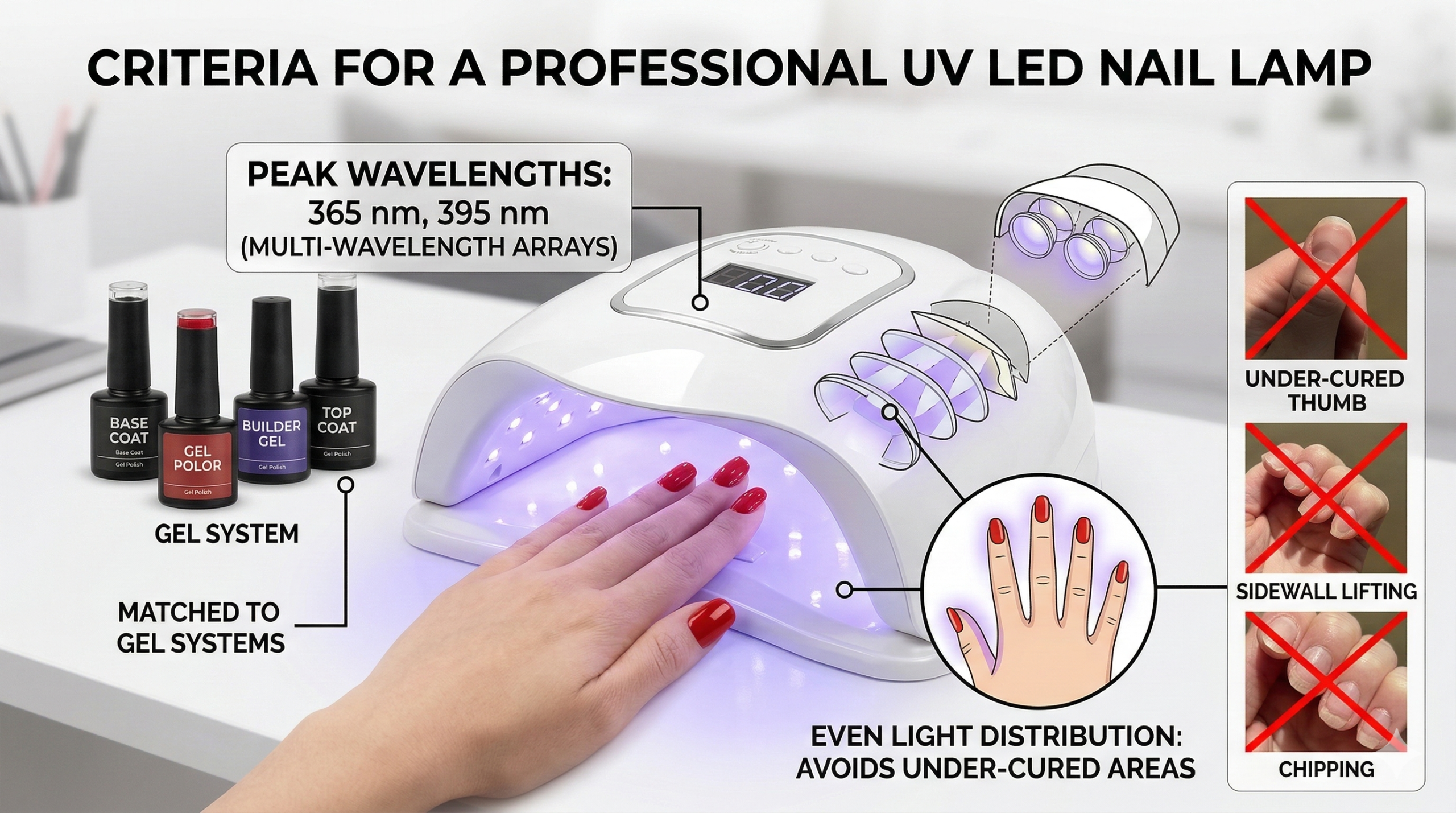
A professional UV LED nail lamp should publish its peak wavelengths (for example, 365 nm, 395 nm, or multi‑wavelength arrays) and be matched to the gel systems it is intended to cure. Lenses and reflectors should distribute light evenly across all fingers, avoiding under‑cured thumb or sidewall areas, which are common sources of chipping and lifting.
Sunlonge’s SL6300 series highlights expertise in optical design: it uses a 5 W, 365 nm LED with a dedicated optical lens and optional black‑light filter to control beam diameter between 30 and 100 mm at 38 cm, while maintaining intensity stability above 85%. Translating this know‑how into multi‑LED nail lamps allows precise coverage and uniform curing across the nail surface.
Intensity, stability, and thermal management
Consistency of irradiance over time is critical. Many low‑cost lamps deliver strong UV output when new but degrade rapidly, resulting in under‑cured gels despite unchanged timer settings. Professionally designed UV LED lamps use constant‑current drivers and robust thermal management to keep intensity within a tight tolerance band throughout the product’s life.
The SL6300 UV LED LAMP incorporates a constant‑current driver that maintains UV intensity even as the lithium battery discharges, demonstrating Sunlonge’s focus on stable output under varying power conditions. Such driver design principles, applied to mains‑powered salon lamps, ensure that every client receives the same curing dose on day 1 and year 3, supporting consistent manicure longevity.
Certifications, standards, and build quality
For salon owners, certifications and compliance with recognised standards are strong indicators of lamp quality and safety margins. In industrial contexts, Sunlonge’s SL6300‑Aerospace variant meets Rolls‑Royce RRES 90061 requirements and complies with multiple ASTM standards relevant to fluorescent penetrant and magnetic particle inspection (ASTM E1417, E1444, E709, E2297, E3022).
Although these standards are specific to aerospace NDT rather than cosmetics, they demonstrate that Sunlonge designs UV LED LAMP products capable of meeting stringent specifications for intensity, uniformity, and reliability in safety‑critical environments. The same engineering culture can be leveraged to design nail‑curing lamps that exceed typical consumer‑grade expectations.
Why choose Sunlonge UV LED lamps for gel manicures
Engineering pedigree from demanding industries
Sunlonge focuses on UV LED lamps and testing solutions that serve aerospace, automotive, and industrial NDT applications where inspection reliability is mission‑critical. This forces the company to develop precise control over wavelength, beam profile, and irradiance stability—capabilities that directly benefit beauty applications where consistent curing and long‑lasting results are expected on every client.
In practice, Sunlonge’s UV LED LAMP technology offers:
- Accurate 365–370 nm peak wavelengths tuned to common photoinitiators in gel systems.
- High and adjustable intensity (up to 35,000 µW/cm² at 15 inches in the SL6300 platform) for flexible curing scenarios and future‑proofing against thicker or more pigmented gels.
- Long LED life of around 30,000 hours, reducing lamp replacement and downtime.
- Constant‑current driving to stabilise output across battery or mains power fluctuations.
- Advanced optical lenses and filters to focus UV where it is needed while minimising stray visible light.
These strengths mean that when Sunlonge applies its UV LED lamp expertise to nail‑curing solutions, users can expect faster, more reliable cures and extended manicure life compared with generic, unbranded devices.
Quality, safety, and total cost of ownership
While low‑priced lamps may appear attractive upfront, their shorter lifetimes, rapidly degrading bulbs, and inconsistent output can lead to higher long‑term costs through frequent replacement, product wastage, and client dissatisfaction when manicures fail early. A durable UV LED LAMP platform such as Sunlonge’s, built around long‑life diodes, constant‑current drivers, and industrial‑grade housings, spreads its cost over many more service hours.
A lamp specified at 30,000 hours of LED life could, in theory, run continuously for years; even after accounting for real‑world factors, experts expect LED nail lamps to provide consistent UV output for at least three years of professional use—roughly twelve times longer than high‑quality fluorescent bulbs under similar conditions. For salons, this durability reduces both capital and maintenance expenditure while also ensuring consistently high‑quality cures.
How Sunlonge supports better client outcomes
By delivering stable, well‑targeted UV output, a Sunlonge‑engineered UV LED LAMP can help:
- Maximise manicure longevity: Reliable curing across all coats reduces lifting and chipping, supporting the expected 2–3+ weeks of gel wear.
- Enhance aesthetic results: Fully cured gels maintain high gloss and colour fidelity longer, improving perceived service quality.
- Improve appointment efficiency: Faster, predictable curing cycles support tighter scheduling and more services per day.
- Reinforce safety best practices: Narrow‑band UVA LEDs, optical control, and compliance with demanding industrial standards align with a safety‑conscious approach to UV use.
Practical Q&A: UV LED lamps and gel manicures
-
Do I really need a UV LED lamp for gel nails?
Yes. True gel nail polish is formulated to cure via photopolymerisation and will remain tacky indefinitely without exposure to appropriate UV or LED light. Air drying alone cannot trigger the necessary chemical reaction, so a dedicated UV lamp, LED lamp, or UV/LED hybrid lamp is essential for hard, long‑lasting results.
-
How long should a gel manicure last with a good UV LED lamp?
When applied on well‑prepared nails using compatible products and cured under a quality UV LED LAMP, most professional gel manicures last 2–3 weeks without major chipping, and sometimes 3–4 weeks with premium systems and excellent aftercare. If gels consistently chip within a week, it usually signals issues with prep, lamp performance, or product compatibility rather than an inherent limitation of gel technology.
-
Are UV LED nail lamps safe for my skin?
UV LED lamps emit UVA radiation and therefore contribute to cumulative UV exposure; however, current evidence suggests that, when used according to manufacturer instructions, the overall risk of skin cancer from nail lamps is low compared with everyday sun exposure. Many experts recommend applying broad‑spectrum sunscreen to hands or wearing fingerless UV‑protective gloves during curing as a simple precaution, especially for frequent users.
-
Why do LED lamps cure gel faster than traditional UV lamps?
LED lamps use diodes that emit a narrow band of UVA light optimised for the photoinitiators in modern gel systems, allowing faster energy delivery to the reactive components. As a result, many gels that need 2–3 minutes per coat under fluorescent UV tubes cure in 30–60 seconds under an appropriate LED lamp.
-
What happens if my lamp is too weak or old?
If a lamp’s UV output has degraded due to aging bulbs or poor design, gels may under‑cure even if the timer settings are unchanged. Symptoms include soft or wrinkled surfaces, premature chipping or peeling, and increased risk of irritation from uncured monomers touching the skin. Replacing worn fluorescent bulbs regularly or investing in a high‑quality UV LED LAMP with slow‑degrading LEDs and stable drivers—such as those engineered by Sunlonge—helps avoid these issues.
-
Can any UV LED lamp cure any gel polish?
No. Gels are formulated for specific wavelength ranges and intensities; using a lamp that does not match the product’s specifications can lead to under‑ or over‑curing. Always follow the gel manufacturer’s recommended lamp type and curing times, and choose a UV LED LAMP whose published wavelengths fall within the required window—such as 365–405 nm for many contemporary systems.
-
How do Sunlonge UV LED lamps differ from generic nail lamps?
Sunlonge designs UV LED LAMP products for demanding industrial inspection contexts, achieving precise wavelength control, high intensity with adjustable beam size, constant‑current driving, and compliance with rigorous aerospace and ASTM standards. Generic low‑cost nail lamps often lack detailed specifications or independent testing, making it difficult to guarantee consistent irradiance or long‑term durability. Choosing a lamp from an engineering‑driven supplier such as Sunlonge reduces uncertainty and supports more predictable manicure results over years of service.
Conclusion
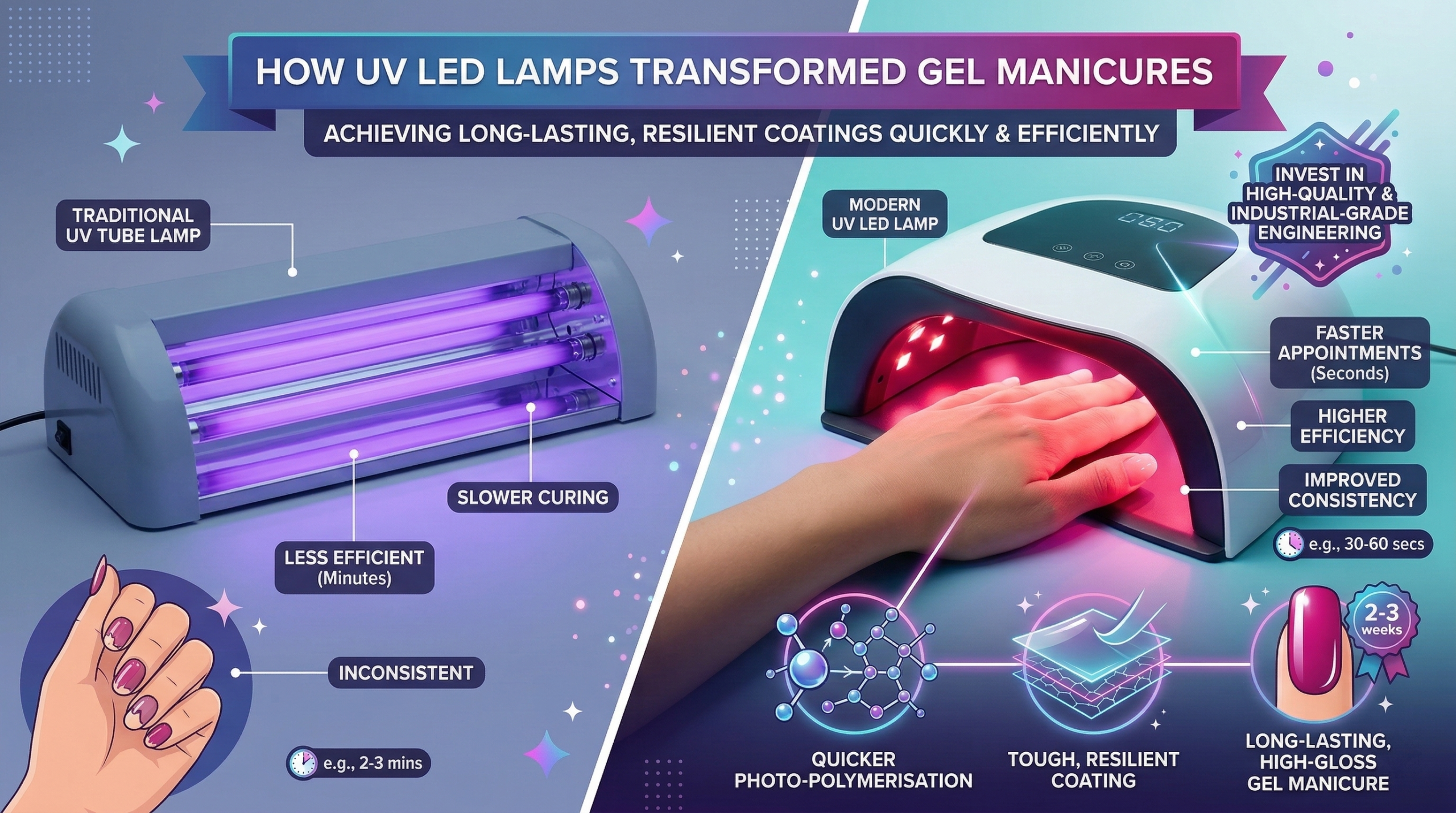
UV LED lamps are now central to achieving long‑lasting, high‑gloss gel manicures because they drive the photopolymerisation that transforms liquid gel into a tough, resilient coating and do so more quickly and efficiently than traditional UV tube lamps. For salons and home users alike, investing in a high‑quality UV LED LAMP means faster appointments, better wear, and improved consistency—benefits that become particularly compelling when the lamp is built on industrial‑grade engineering foundations.
Sunlonge’s experience with high‑intensity, precisely controlled UV LED lamps for aerospace and industrial NDT applications, combined with long‑life diodes, stable drivers, and rigorous certification, positions its UV LED LAMP products as a strong choice for nail professionals seeking reliable curing performance and differentiated client results. By pairing Sunlonge hardware with well‑formulated gel systems and proper prep and aftercare, salons can deliver manicures that align with client expectations for durability, shine, and safety.